
Re-imagining the Kaccha Ghar

By Zahara Czar, Intern at Kaaya Learning Center, May-June 2026
The village of Tilwari in Uttarakhand is witnessing a quiet rise in newly constructed mud houses. For generations, mud homes were a natural part of rural Indian life, they are practical, locally sourced, and deeply connected to the environment. Yet over time, cement replaced mud as the symbol of development and modernity. Today, however, mud architecture is slowly finding its way back, not only in villages but also among urban populations searching for a slower and more intentional way of living.
As information, consumption, and urban expansion continue to accelerate, many people are beginning to feel disconnected from the pace of modern life. In response, some are moving away from cities and toward quieter spaces that allow for greater mindfulness and simplicity. Kaaya was founded with a similar vision: to create a space rooted in slowness, sustainability, and appreciation for local knowledge systems. Built largely with mud and locally sourced materials, Kaaya integrates traditional Indian building practices into a contemporary lifestyle, showing that sustainability can also be aesthetic, comfortable, and deeply meaningful.
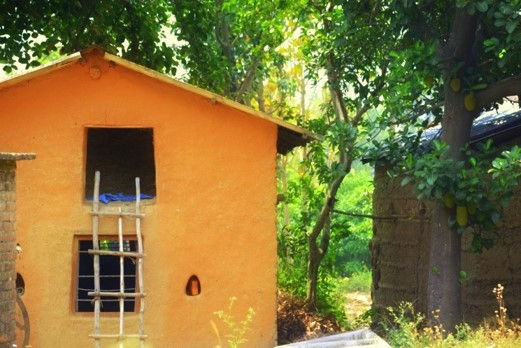
The village of Tilwari in Uttarakhand is witnessing a quiet rise in newly constructed mud houses. For generations, mud homes were a natural part of rural Indian life, they are practical, locally sourced, and deeply connected to the environment. Yet over time, cement replaced mud as the symbol of development and modernity. Today, however, mud architecture is slowly finding its way back, not only in villages but also among urban populations searching for a slower and more intentional way of living.
As information, consumption, and urban expansion continue to accelerate, many people are beginning to feel disconnected from the pace of modern life. In response, some are moving away from cities and toward quieter spaces that allow for greater mindfulness and simplicity. Kaaya was founded with a similar vision: to create a space rooted in slowness, sustainability, and appreciation for local knowledge systems. Built largely with mud and locally sourced materials, Kaaya integrates traditional Indian building practices into a contemporary lifestyle, showing that sustainability can also be aesthetic, comfortable, and deeply meaningful.
Why do Mud Houses Matter?
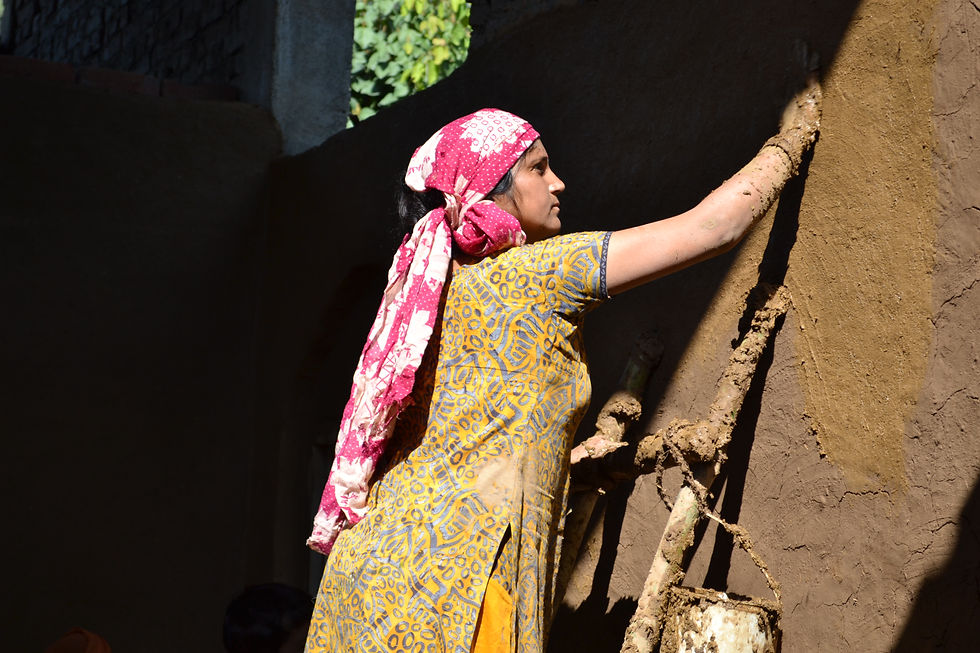
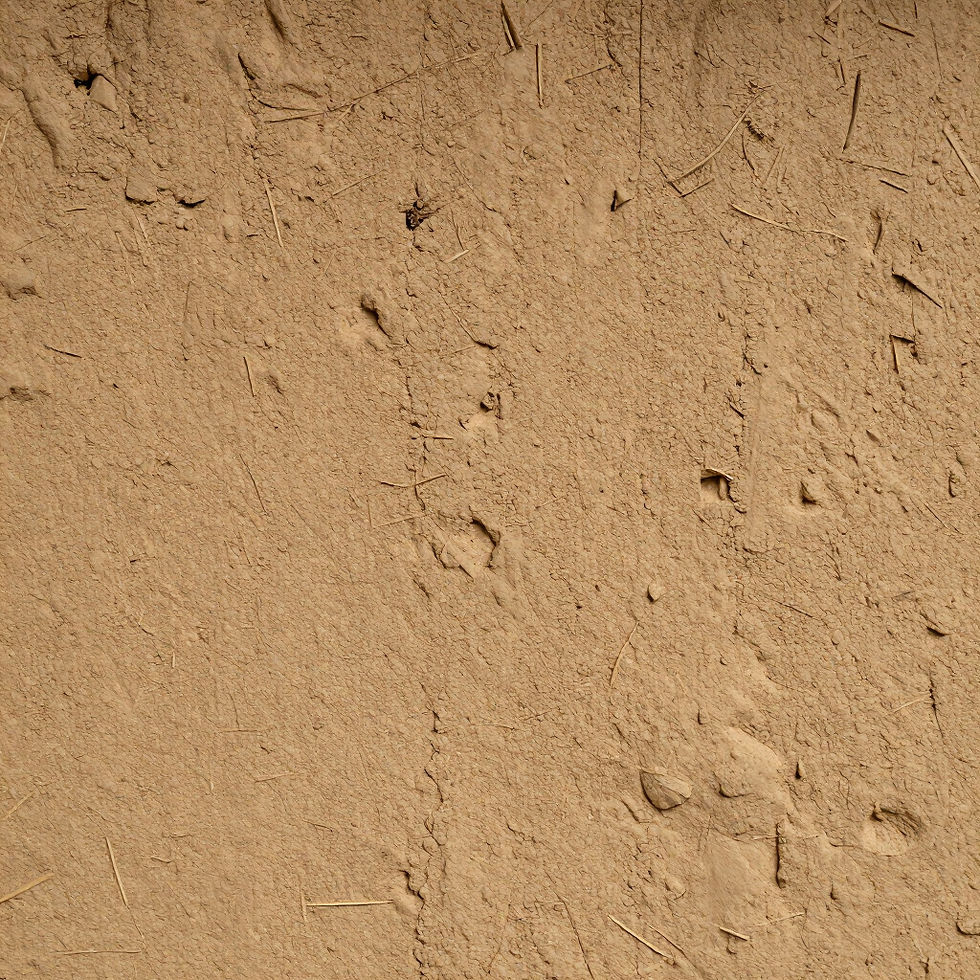
Mud houses are built using earth sourced directly from the surrounding land. The mud is placed into moulds and dried over several days to form sturdy bricks, which are then layered together using mud plaster. Unlike cement structures, mud walls naturally regulate indoor temperatures by absorbing heat slowly, keeping interiors cool in the summer and warm in the winter. This natural insulation reduces dependence on air conditioners and artificial cooling systems, lowering both electricity consumption and carbon emissions. Mud walls are also breathable, helping maintain indoor air quality and reducing dampness within homes.
Most importantly, mud is locally available and abundant. Using local materials significantly cuts down transportation costs and environmental impact. In contrast, the production and transport of materials such as cement and steel contribute heavily to global carbon emissions. According to the United Nations, the construction industry is responsible for nearly 40 percent of global CO₂ emissions, much of it linked to these materials.
Despite common assumptions that mud houses are weak or temporary, many traditional mud homes have survived for decades with proper maintenance. In many cases, they outlast cement structures while creating far less environmental damage
If Mud Houses Are Sustainable, Why Do We Still Choose Cement?
The answer may lie less in practicality and more in perception.
When building a house, most people spend considerable time choosing land, arranging finances, and finding contractors they trust. Yet very few pause to question the materials being used or the systems behind them. Cement has become associated with progress, permanence, and social mobility, while mud has unfairly been linked with backwardness or poverty.
Over time, convenience and consumer culture have distanced us from the processes that shape our everyday lives. We work endlessly to afford modern comforts, but rarely stop to examine whether those comforts are sustainable, necessary, or even aligned with the environments we live in.
In Conversation with Santosh Passi, Founder, Kaaya Learning Centre
When speaking with the founder of Kaaya, one thing became immediately clear: the decision to build with mud did not begin as an aesthetic statement or even an environmental one. Like many rural households across India, it began with practicality.
“We didn’t want to spend too much money, so we had to build cheaply,” instead of importing materials or outside labour, Kaaya relied on what already existed within the village, local soil, local skills, and local knowledge. A village mason, Tikaram Ji, helped guide the construction using traditional building methods he already knew. Because the land itself produced large amounts of usable soil during excavation, and because villagers already possessed the skills needed for construction, the process became naturally sustainable. No architects or specialized designers were necessary. Sustainability for Kaaya was not performative or expensive, it was simply feasible.
This challenges the modern assumption that sustainable living is a luxury accessible only to elites. In many ways, traditional Indian architecture was sustainable long before sustainability became a global trend.
The founder also reflected on how colonial history shaped perceptions of housing in India. During British rule, homes were broadly categorized into kaccha and pakka houses, with cement gradually becoming associated with permanence, progress, and status. Mud homes, meanwhile, became linked with poverty and backwardness.
This bias still persists today. When Kaaya was first being built, many villagers assumed the founders could not afford cement construction. Some even suggested cheaper cement alternatives to “upgrade” the structure. It was only later, after interacting more closely, that people realized the choice had been intentional.
Ironically, architecture students visiting Tilwari later observed something striking: many concrete homes in the village appeared perpetually unfinished, with exposed brick, unplastered walls, and piles of gravel left outside. Mud homes, meanwhile, appeared complete, cared for, and lived in.
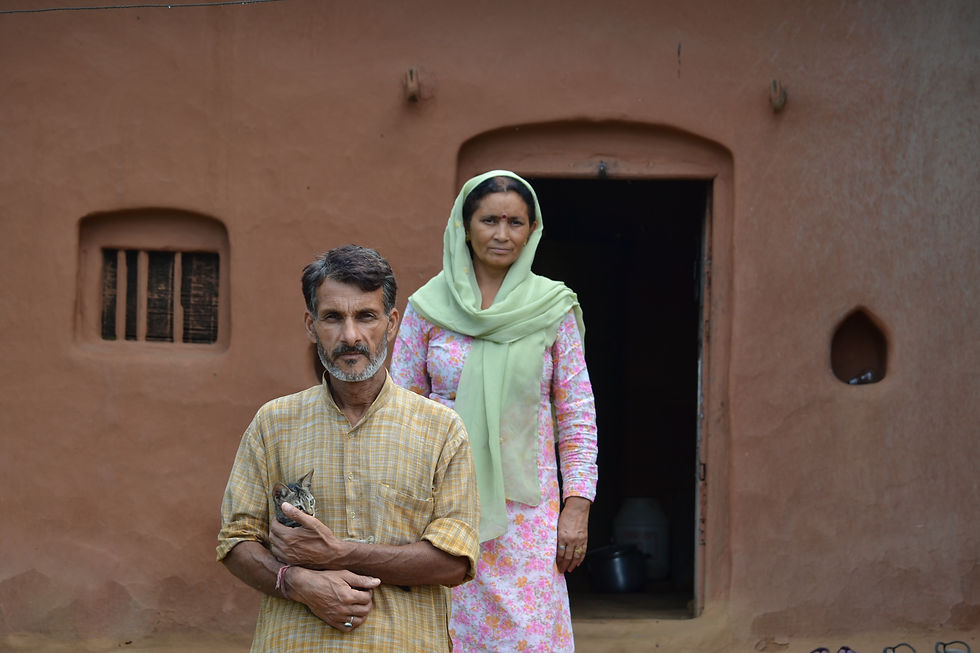
Santosh Ji explained that this difference reflects the realities of cash flow in rural economies. Cement houses depend on purchased materials like bricks, cement, sand, gravel. All of which require continuous money. Families often build incrementally as income arrives. Mud houses, by contrast, rely far more on locally available materials and community labour.
Today, many elderly villagers tell Kaaya that homes “used to be built like this” in their time. They remember mud houses as cooler, more comfortable, and better suited to the local climate than modern concrete structures.
Decolonizing the Way We Live
Part of reclaiming sustainable practices also involves questioning the idea that “modern” is automatically better. Colonial ideas of development often frame indigenous knowledge and local traditions as primitive or inferior. In many ways, this mindset continues today. Traditional architecture, local food systems, and community-based living are frequently overlooked in favour of industrialized models imported from elsewhere.
Yet as climate change intensifies, it is often countries like India that face some of the harshest consequences despite contributing far less historically to global emissions. In this context, returning to traditional practices and recognizing the intelligence embedded within these systems of living is crucial. These systems were adapted to local climates, materials, and ecosystems long before sustainability became a global discussion.
Sustainability does not always require innovation. Sometimes, it just requires remembering.
Kaaya – A Work in Practice
The normalization of mud architecture depends largely on changing social perceptions, especially among urban and economically privileged groups. As more people intentionally choose local climate-responsive housing, traditional building knowledge may once again become economically viable within villages itself
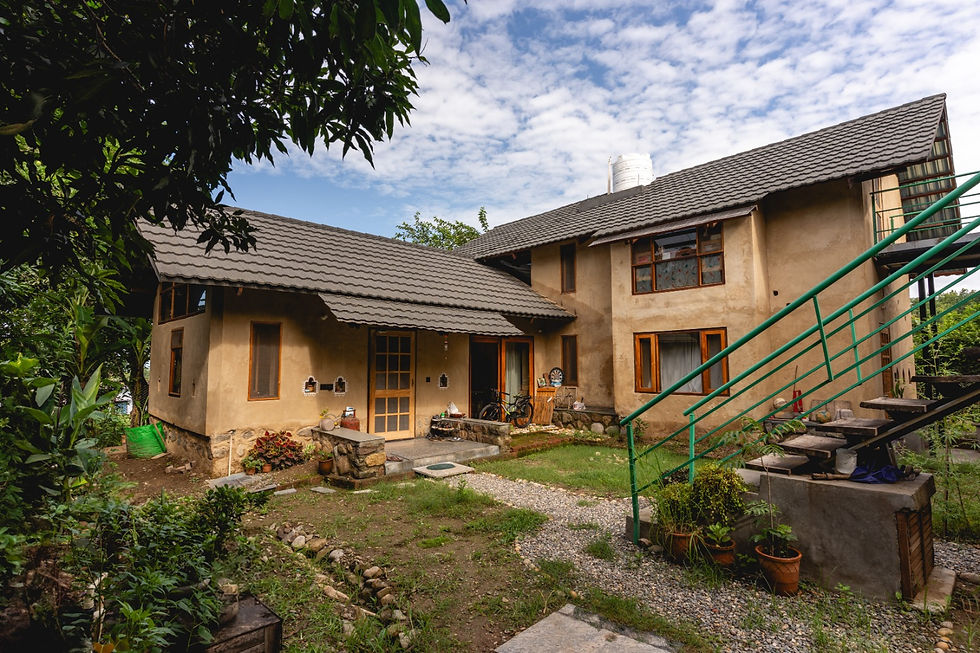
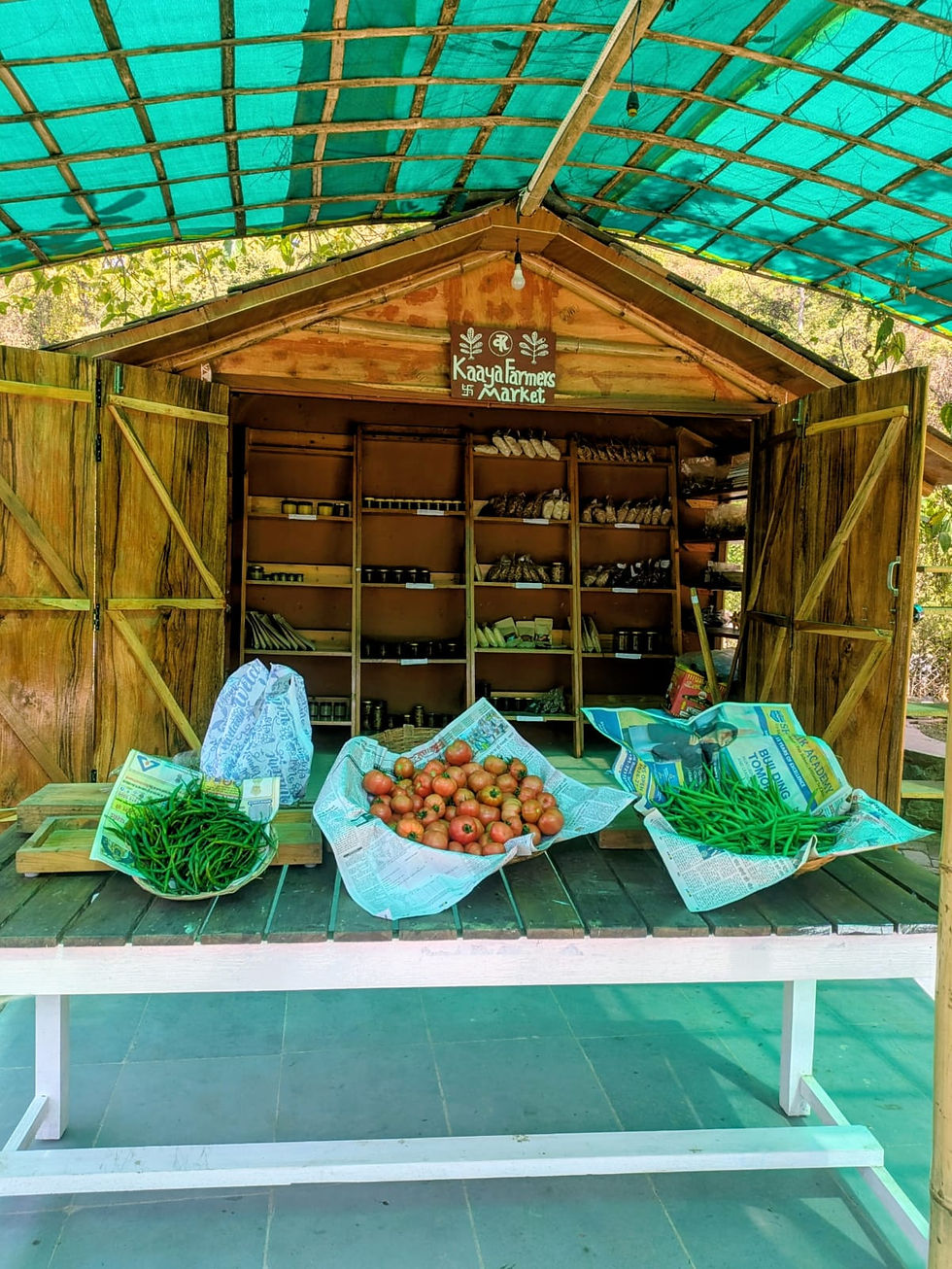
Kaaya hopes to contribute to this shift by encouraging people to experience this way of living firsthand. Through community living, volunteering, and simply inhabiting mud spaces, visitors are invited to rethink ideas of comfort, modernity, and sustainability.
Kaaya continues to wait for the day when more local families feel encouraged and empowered to build with mud again, not out of compulsion but out of choice.
Comments